


Find out what I’m reading this week.
Reading is an essential part of being a writer and is a great way of getting inspiration and finding new ways to write.
I also love sharing details of my journey with the writing community, so I thought it was a good idea to share what I’m reading for #whatimreadingwednesday so other writers can share their thoughts on a particular book, or make a recommendation on what I can read next.
I share what I’m reading every other Wednesday on my Instagram, which I would love if you followed!
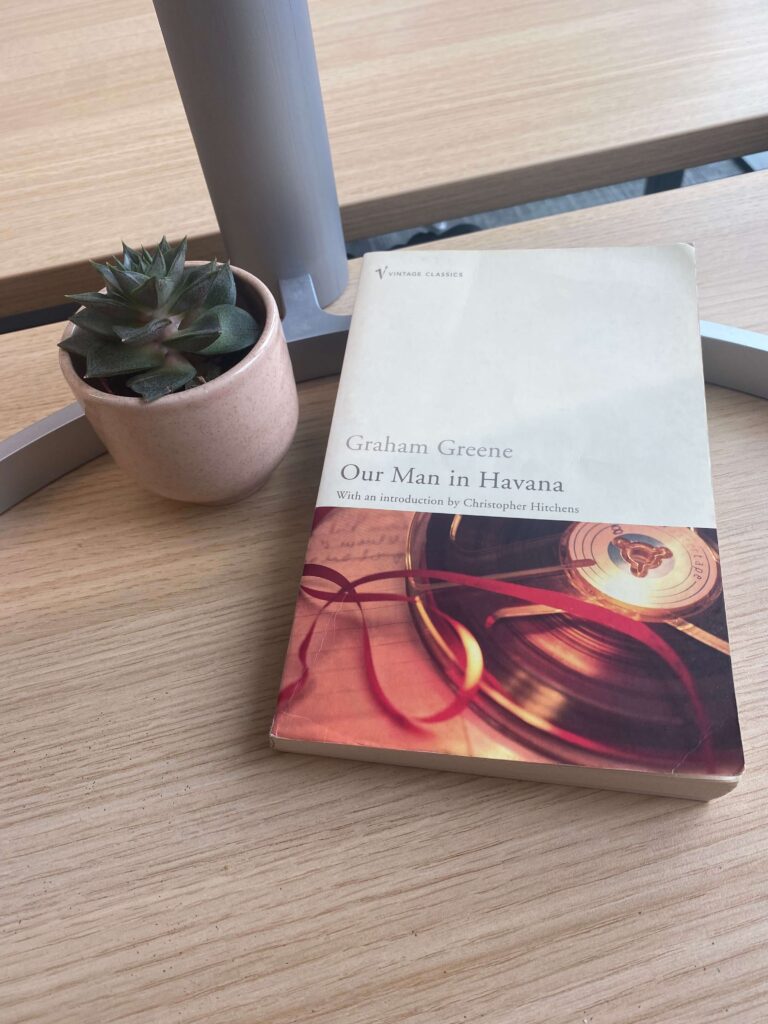
Graham Greene
Clever, witty, impossible not to enjoy.
My only complaint? I wanted more.
Our Man in Havana is a brilliantly clever and endlessly entertaining spy novel.
Graham Greene fills Havana with memorable characters, sharp wit, and an atmosphere that makes every chapter a pleasure to read.
Wormold is one of the strongest protagonists I’ve come across in a long time. Even when events spiral beyond his control, he never loses his sense of agency, always making decisions that drive the story forward.
If I have one criticism, it’s that I simply wanted more. A little longer to enjoy the deception before the inevitable conclusion would have made an already excellent novel even better.
Sometimes wishing a book had another fifty pages is the highest compliment you can pay it.
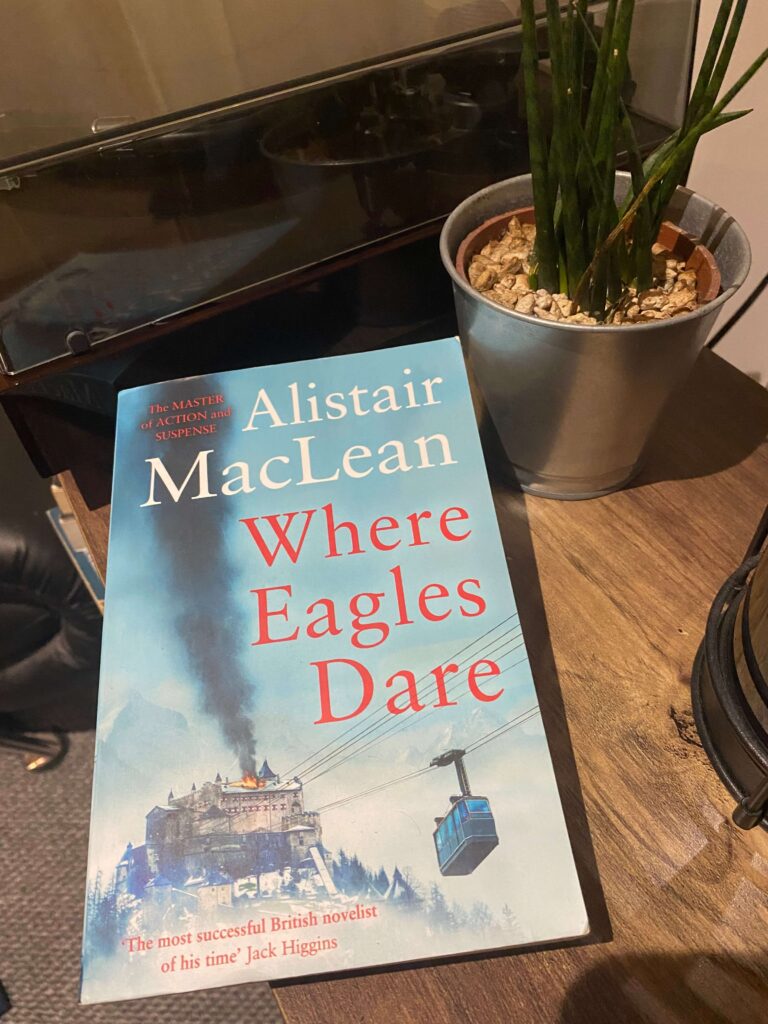
Alistair MacLean
Brilliant adventure.
Still think a few more Nazis should have been shot.
Where Eagles Dare is pure entertainment. Alistair MacLean delivers a relentlessly paced WWII adventure packed with memorable characters, grounded action, and genuine tension.
Even the supporting cast feel distinct, while the ever-shifting web of double agents keeps you guessing—if occasionally becoming more convoluted than necessary.
My only real reservation is that the novel sometimes shies away from the difficult decisions it spends so long setting up.
The danger feels real, but the heroes are often spared the moral weight of their choices, making the finale feel a little too tidy.
It’s a hugely enjoyable thriller, but I couldn’t help wishing it had trusted its own darker implications.
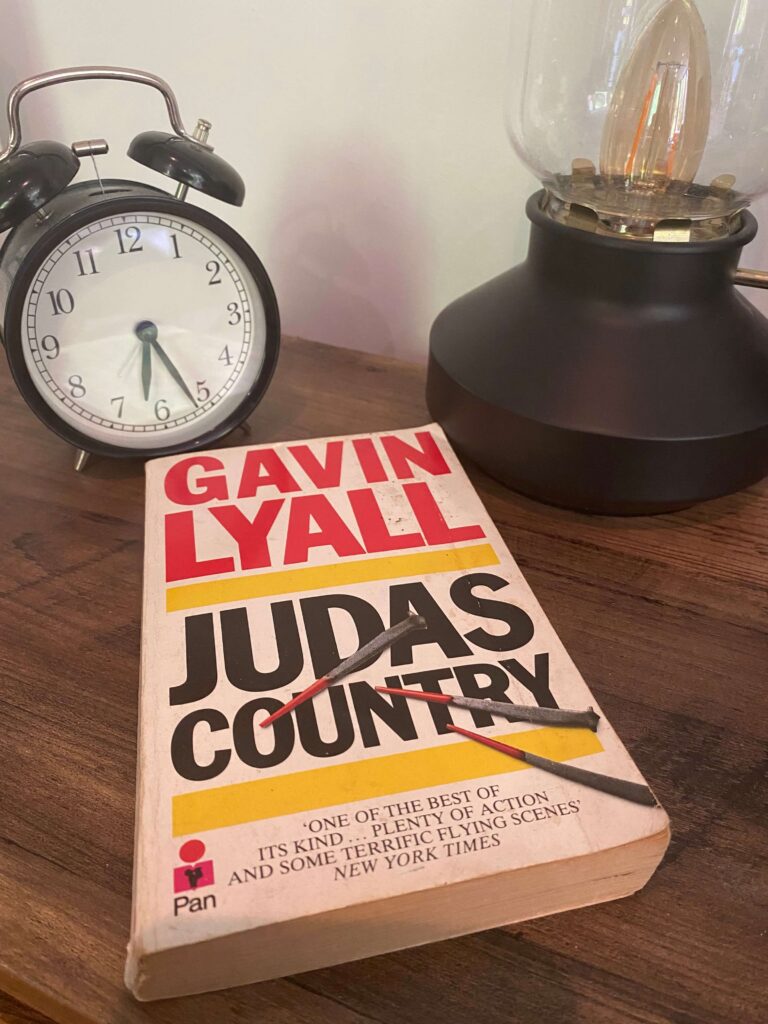
Gavin Lyall
A fantastic journey in the air.
A surprisingly soft landing.
Judas Country showcases many of Gavin Lyall’s greatest strengths.
The dialogue is sharp and witty, the characters are engaging, and the flying sequences are packed with realism and tension. The setting is equally rich, creating a world that feels lived-in and authentic.
What the novel lacks, however, is a strong sense of stakes. Despite the frequent threats and displays of danger, I never felt anyone had much to lose—or gain.
Combined with an abrupt ending that arrives and departs with little impact, the story never quite finds the framework it needs.
There’s plenty of potential on display, but for me, it doesn’t quite stick the landing.
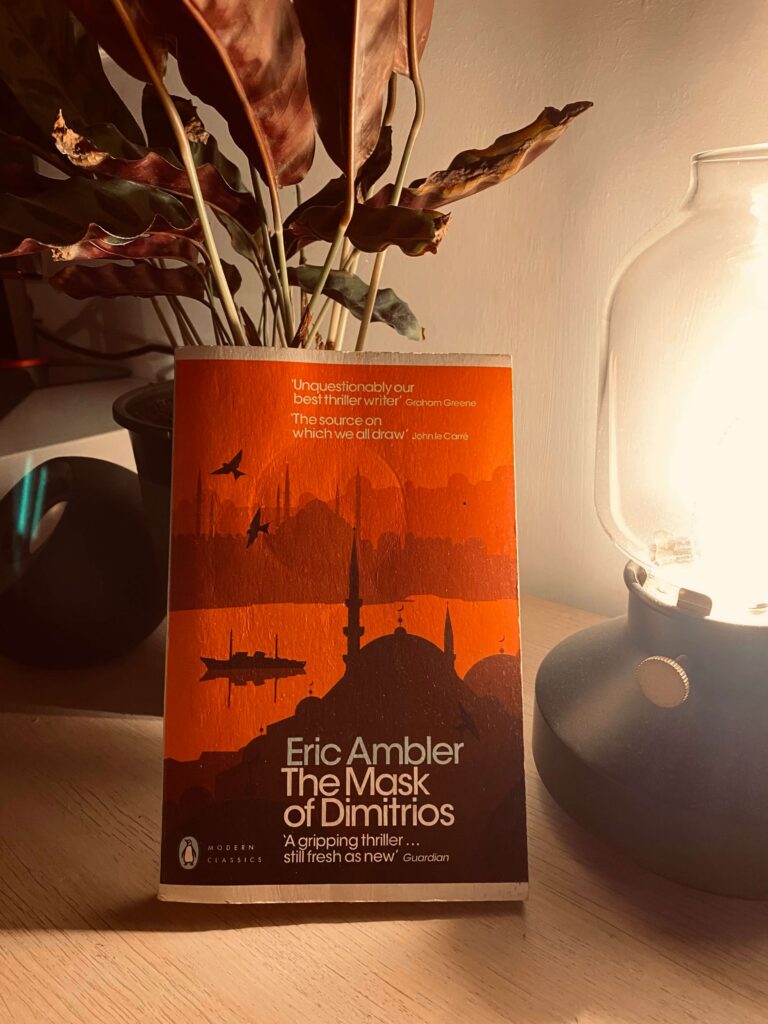
Eric Ambler
Great adventure. Great villain.
A protagonist along for the ride.
The Mask of Dimitrios is a gripping journey through the underworld of pre-war Europe, following the trail of one of crime fiction’s most fascinating villains.
The atmosphere is superb, and each new revelation about Dimitrios keeps the pages turning.
My only reservation is Latimer himself. As an audience surrogate he works perfectly, but as a protagonist he rarely shapes events, leaving much of the story to unfold through lengthy conversations and monologues.
The result is an engaging adventure that sometimes feels more observed than experienced—a great ride, even if the rails occasionally show.
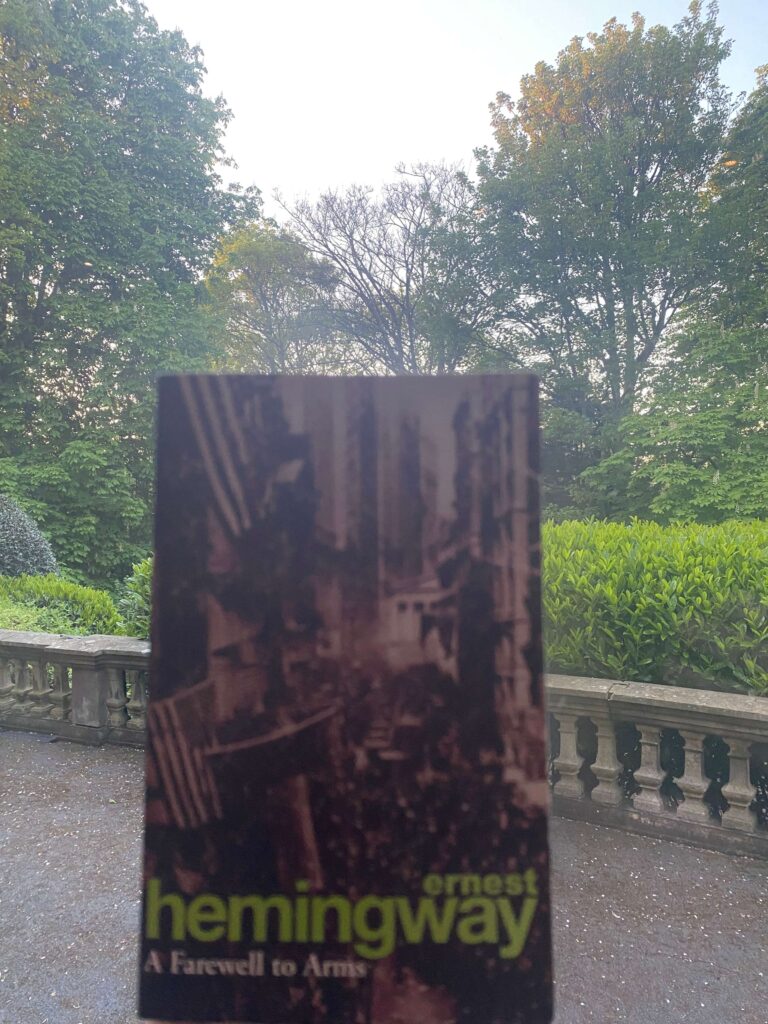
Ernest Hemingway
I felt sorry for everyone—except the man I was meant to follow.
A Farewell to Arms left me unsure how I was meant to feel—and I suspect that’s the point. More than anything, it stirred a quiet sense of guilt I wasn’t comfortable with.
Frederic Henry drifts through war, love, and life with a detachment that’s hard to admire and harder to fully condemn.
Duty feels like a game to him, and even love comes across as something he reaches for when it suits him.
By the end, I felt sympathy for almost everyone—except him.
Perhaps that discomfort is the novel’s strength.
As for the writing, it’s Hemingway: spare, controlled, and doing far more beneath the surface than it first appears.
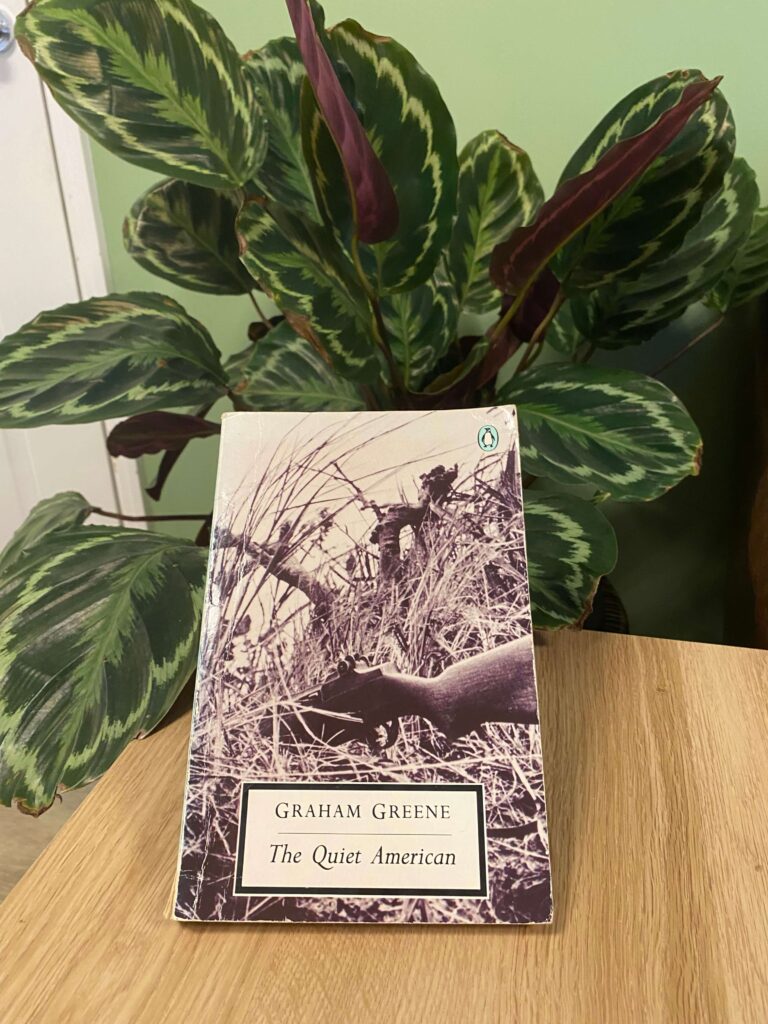
Graham Greene
Quiet, thoughtful, unsettling.
This one lingers.
The Quiet American wasn’t what I expected—but it’s one of the more thoughtful reads I’ve picked up in a while.
Graham Greene weaves together questions of friendship, love, responsibility, and the dangers of interventionism with a quiet confidence.
It’s a novel that works on both a personal and philosophical level, asking whether you can ever truly remain an innocent bystander—and whether love can ever be unselfish.
What impressed me most is how the story sidelines the violence and intrigue, making the emotional stakes feel far more important.
A subtle, intelligent, and deeply engaging read.
Ian Fleming
A masterclass in thriller pacing.
Casino Royale makes it immediately clear why Ian Fleming’s creation became a cornerstone of the spy thriller.
The pacing is superb, driving the story forward with a clarity that almost feels like a textbook example of three-act structure.
Bond himself is a compelling lead—flawed yet driven, arrogant yet professional, and never quite as in control as he believes.
Despite his strengths, he remains at the mercy of the forces surrounding him, which gives the story its tension.
It’s a sharp, confident novel and a fantastic gateway into the spy thriller genre.
James M. Cain
Short. Sun-baked. Inevitable.
Not sure I get it—but I felt it.
The Postman Always Rings Twice is sharp, tragic, and packed with flawed, compelling characters. And yet, I’m not entirely sure I “got” it.
Despite its brevity, the novel feels oddly stretched, as though the emotional weight lingers longer than the page count suggests.
There’s something raw and distinctly American about it—sun-baked, restless, fatalistic—which may be part of its power.
I liked it, genuinely. I just couldn’t quite articulate why. Perhaps that’s the point: a story driven less by logic than by heat, impulse, and inevitability.
Michael Crichton
High-concept, high-tension—
grounded by great characters.
Prey is a change of pace from the last few weeks in terms of genre—and a terrific read.
Michael Crichton delivers a fast, intelligent piece of speculative fiction that is driven by character as much as concept.
That distinction matters. This isn’t just something strange happening in a lab; it’s something strange happening to people, and their relationships, fears, and decisions give the story its weight. To me, that’s what always makes or breaks a story, regardless of genre.
The cast is strong across the board, grounding the high-tech premise in human stakes. The plot is clever and believable, with a pace that keeps you guessing. And, refreshingly, Crichton sticks the landing with a satisfying ending.
Frederick Forsyth
A gripping premise…
undone by a late change of motive.
The Odessa File has moments of real power, and I wanted to love it. Forsyth’s grasp of global intrigue is undeniable.
What lost me, though, was the shifting motivation of the protagonist. The story builds toward a moral crusade—exposing unpunished war criminals and restoring a sense of justice—only to pivot late into a purely personal vendetta. That turn pulled the rug out from under the entire premise.
A lengthy isolated training section once again stalls the momentum, and the narrative frequently wanders into wider geopolitical detail that adds weight but little drive.
Far be it for me to criticise one of the greatest thriller writers of the 20th century, but a tighter, more personal story about the cost of revenge would, for me, have been far more compelling.
Graham Greene
Gripping, paranoid, impossible to put down—until the story stops moving.
The Ministry of Fear gripped me immediately. The claustrophobia of the Blitz, combined with a creeping sense of paranoia, creates a superb thriller that pulls you headlong to the midpoint—where it lost me.
The lengthy stay in a nursing-home and amnesia drain the story of pace, intrigue, and, crucially, all character development & agency. The book resets its own momentum, then struggles to ever recover it.
By the end, I was left unsure what the novel was really saying. Mercy killing your wife is bad? War sucks? Don’t take cakes that don’t belong to you?
That confusion may come from connecting with the protagonist in a way I’m not meant to. The question is, is he morally abhorrent and deserving of punishment—or a broken man waiting for the story to push him back into motion?
Len Deighton
Strong voice. Slippery plot.
Worth reading for the prose, not the clarity.
The Ipcress File lives and dies on its voice, and Len Deighton absolutely nails it. The rookie spy narrator—out of his depth but never incompetent—is a superb lens for the story and everything you want in an espionage lead.
Unfortunately, the plot itself often feels slippery, jumping between locations and major events with little build-up, which blunts the stakes.
The procedural spy work is where the novel shines, particularly the taut police-station-to-house-raid sequence and the island section’s double bluffs and quiet tension.
That momentum stalls during a lengthy imprisonment, which saps the pacing, and the story ultimately wraps up too neatly to feel satisfying.
I finished the book still unsure what was really happening—whether that’s on me or the novel, I honestly couldn’t say.